
Precision fluid handling demands more than just selecting the right pump—it requires understanding how system design, operating conditions, and component choices all work together. Micropump magnetic drive gear pumps are widely used in chemical processing, life sciences, OEM skids, and laboratory applications because of their exceptional accuracy, leak-free design, and repeatable performance.
At Centennial Equipment, we work closely with customers to ensure Micropump mag-drive pumps are applied correctly for long-term reliability. Below are essential Micropump performance tips—drawn from proven field experience, manufacturer guidance, and real-world applications—to help you optimize accuracy, reduce wear, and extend pump life.
Preventing Cavitation in Micropump Gear Pumps
Cavitation is one of the most common causes of reduced performance and premature pump failure. It occurs when low inlet pressure causes vapor bubbles to form and collapse inside the pump, leading to noise, vibration, flow instability, and internal damage.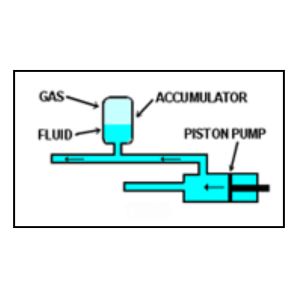
How to prevent cavitation in Micropump applications:
- Ensure adequate inlet pressure and Net Positive Suction Head (NPSH)
- Minimize suction line restrictions and sharp bends
- Keep suction piping short and properly sized
- Avoid excessive fluid viscosity at startup
- Maintain consistent fluid temperature
Proper inlet conditions are critical for precision gear pumps, especially in low-flow, high-accuracy dosing applications. Thoughtful system design can significantly reduce cavitation risk and protect internal components.
Relief Valves: Protecting Your Pump and System
Relief valves play a vital role in protecting Micropump gear pumps from over-pressurization. Because positive displacement pumps will continue to move fluid regardless of discharge restrictions, pressure protection is essential.
Relief valve options include:
- Internal bypass valves – Compact, space-saving protection built directly into the pump
- External relief valves – Greater control and flexibility for complex systems
Both options help safeguard pumps, tubing, fittings, and downstream equipment. Selecting the right relief strategy depends on system layout, operating pressure, and application requirements.
Dry Lift & Self-Priming Considerations
Dry lift applications—where the pump must draw fluid up from a lower level—are more demanding than flooded suction installations. While Micropump gear pumps can handle dry lift in certain conditions, performance depends heavily on system design.
Best practices for dry lift applications:
- Limit lift height as much as possible
- Maintain prime between cycles
- Select materials compatible with startup conditions
- Ensure tight suction-side connections to prevent air leaks
Reducing lift requirements and maintaining a consistent fluid path will improve reliability and reduce wear during startup.
Filtration Best Practices for Longer Micropump Life
Proper filtration is one of the simplest and most effective ways to extend Micropump service life. Even small particles can cause accelerated wear in precision gear pumps.
Key filtration guidelines:
- Use the finest filter possible without causing excessive pressure drop
- Place filters on the inlet side whenever feasible
- Match filter size and micron rating to fluid cleanliness
- Monitor filters regularly to prevent clogging
Correct filter selection protects internal gears, maintains flow accuracy, and improves long-term reliability—especially in chemical and laboratory environments.
Improving Gear Pump Repeatability and Flow Accuracy
Repeatable flow is essential in metering, dosing, and precision transfer applications. While Micropump gear pumps are inherently accurate, external factors like pressure changes and fluid viscosity can affect output.
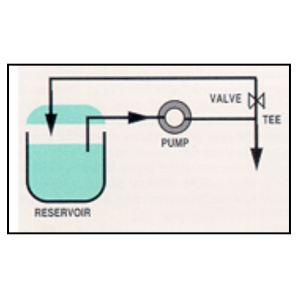
Ways to improve repeatability:
- Use speed-controlled motors
- Integrate closed-loop feedback systems
- Compensate for slip caused by pressure differentials
- Maintain stable operating conditions
Advanced motor control allows Micropump systems to deliver consistent, repeatable flow—even as operating conditions change.
Understanding Pump Dead Volume in Precision Applications
Dead volume refers to the amount of fluid that remains inside a pump after draining. In high-precision dosing, pharmaceutical, or specialty chemical applications, dead volume directly impacts accuracy, waste, and cross-contamination risk.
Why dead volume matters:
- Reduces product waste
- Improves batch accuracy
- Minimizes cleanup and flush volumes
- Enhances process control
Understanding and accounting for pump dead volume is critical when selecting Micropump models for precision dosing or fluid changeover applications.
Micropump Magnetic Drive Pumps from Centennial Equipment
Micropump magnetic drive gear pumps are designed for leak-free, seal-less operation, making them ideal for aggressive chemicals, sensitive fluids, and clean environments. Their compact footprint, precision machining, and wide material options support applications across chemical processing, OEM systems, life sciences, and laboratory equipment.
Centennial Equipment provides expert guidance on:
- Micropump mag-drive pump selection
- Chemical compatibility
- System design optimization
- Flow control and repeatability
- Long-term maintenance strategies
Whether you’re designing a new system or improving an existing one, the right Micropump configuration—paired with proper system design—can deliver exceptional accuracy, reliability, and performance.
Ready to Optimize Your Micropump System?
If you’re looking to improve precision, extend pump life, or solve application challenges, our team is here to help. Explore Micropump magnetic drive gear pumps or contact Centennial Equipment to discuss your specific application and performance goals.
Improve Gear Pump Repeatability & Flow Accuracy